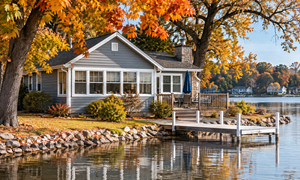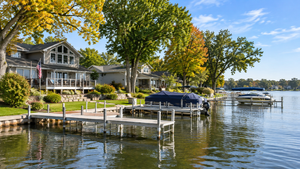
Can you live in a seasonal cottage on the Chain O'Lakes year-round? Possibly, but not every cottage is approved or equipped for full-time living. Before purchasing, buyers should verify the property's permitted residential use, heating and plumbing systems, insulation, water supply, wastewater system, and winter access. A cottage that works beautifully in July may need significant improvements before it is suitable for January.
The Appeal of Owning a Chain O'Lakes Cottage
There's something special about spending time at the lake. Morning coffee overlooking the water, afternoons on the boat, and evenings relaxing on the deck are all part of the appeal of owning property along the Chain O'Lakes in Northern Illinois.
For some buyers, a waterfront cottage is a weekend getaway or summer retreat. Others dream of making the lake their permanent home.
The Chain O'Lakes stretches through communities in Lake County and McHenry County, including Fox Lake, Antioch, Ingleside, Lake Villa, Johnsburg, and Spring Grove.
The area offers everything from traditional cottages and channel-front properties to larger waterfront residences designed for full-time living.
But not every lake property is built or approved for the same type of use.
If you're considering buying a cottage, understanding the differences between seasonal and year-round homes can help you make a more informed decision.
For a broader introduction to the area, explore our guide to living on the Chain O'Lakes.
What Is the Difference Between a Seasonal Cottage and a Year-Round Home?
A seasonal cottage is generally a property intended or equipped primarily for use during certain parts of the year, often spring through fall.
A year-round home is intended and equipped for residential use throughout all four seasons.
However, the words seasonal and year-round in a real estate listing do not, by themselves, establish the property's legal occupancy status or physical suitability.
Seasonal cottages may have:
Limited insulation in walls, floors, or ceilings
Heating designed for occasional rather than continuous use
Plumbing that must be drained before freezing temperatures
Older windows or doors with limited weather protection
Water systems that require seasonal shutdown
Limited winter access or maintenance arrangements
Year-round homes generally have:
Heating suitable for Northern Illinois winters
Plumbing protected against freezing
Insulation and weather protection appropriate for the building
A dependable year-round water supply
Wastewater systems suitable for the intended occupancy
Practical access during winter weather
A property may have some of these features without meeting every requirement for full-time occupancy.
The important distinction is that physical improvements, local approvals, and financing requirements are separate questions.
Can You Legally Live in a Seasonal Cottage Year-Round in Illinois?
A seasonal cottage may be eligible for year-round occupancy, but buyers should not assume that every property can legally be used as a permanent residence.
The answer depends on the specific property, its approved use, applicable building and zoning requirements, and any restrictions affecting the parcel.
Before purchasing, ask the seller for available permits, occupancy records, and documentation of improvements.
Then contact the municipality or county with jurisdiction over the property.
This distinction matters because a Fox Lake mailing address, for example, does not necessarily establish which local government regulates the parcel.
Properties within incorporated municipalities may be subject to different procedures than properties in unincorporated Lake County or McHenry County.
What should buyers ask local officials?
Is the property approved for year-round residential occupancy?
Are there records of the original building permit or occupancy approval?
Were additions and major renovations properly permitted?
Would a change from seasonal to full-time use require additional approvals?
Are there building, zoning, floodplain, or wastewater restrictions?
Would a proposed conversion require inspections or upgrades?
McHenry County provides an electronic records search that includes certain historical building permits, elevation certificates, and other property records.
For properties in unincorporated Lake County, buyers can consult the county's Planning, Building and Development resources for information about residential permitting.
These resources are starting points. A property-specific determination should come from the appropriate government office.
Is the Cottage Properly Insulated for Winter?
Insulation is one of the first things to investigate when considering a seasonal lake cottage for year-round use.
Some older cottages were constructed primarily for warm-weather enjoyment. They may have limited insulation, particularly beneath floors or in roof assemblies.
That can make the home uncomfortable during cold weather and increase heating demands.
Buyers should consider having a qualified home inspector or building professional evaluate:
Attic and roof insulation
Exterior wall insulation
Crawlspaces and exposed floors
Windows and exterior doors
Air leaks and drafts
Moisture intrusion and condensation
Ventilation and the building envelope
A cottage that feels comfortable during a September showing may perform very differently during a January cold spell.
If you're planning to live at the lake full-time, ask whether the property has previously been occupied throughout the winter and what improvements have been completed.
What Type of Heating System Does the Cottage Have?
Heating is another major difference between seasonal and year-round lake homes.
Some cottages rely on fireplaces, wood-burning stoves, electric space heaters, or older heating equipment.
Those features may provide supplemental warmth, but buyers should not assume they can adequately or safely heat the entire property throughout winter.
Before purchasing, investigate:
The type, age, and condition of the heating system
Whether heat reaches all living areas
Whether the system is properly installed and maintained
The condition of chimneys and venting
The home's electrical capacity
Expected winter operating expenses
Whether the heating equipment is appropriate for continuous occupancy
A licensed heating contractor can help determine whether the existing system is adequate or whether upgrades may be needed.
If the home has a crawlspace, plumbing beneath the floor, or an enclosed porch, ask how those areas are protected during freezing weather.
Can the Plumbing and Water Supply Handle Freezing Temperatures?
A cottage's plumbing may be one of the most important factors in determining whether it is practical for year-round living.
Some seasonal properties are winterized by shutting off the water supply and draining plumbing lines before freezing temperatures arrive.
That arrangement can work for a summer retreat but may not support continuous winter occupancy without improvements.
Buyers should investigate whether the property has:
Plumbing lines located in unheated areas
Pipes exposed beneath the home
A year-round water supply
A well or other water system protected from freezing
Adequate insulation around vulnerable plumbing
A properly functioning water heater
A wastewater system appropriate for the intended use
A licensed plumber can evaluate freeze risks and recommend any necessary improvements.
What about private wells and septic systems?
Some Chain O'Lakes properties use private wells, onsite wastewater treatment systems, or both.
These systems deserve careful attention when purchasing an older cottage.
Ask about the age, condition, maintenance history, and available permits for the systems.
A home that was used only occasionally may have different water and wastewater demands when occupied full-time.
In McHenry County, certain changes in property use or residential improvements can trigger a health department review of the wastewater or well systems.
Lake County also requires health department review for certain improvements involving properties with wells or septic systems.
Before assuming a seasonal cottage can be converted, confirm the applicable requirements with the local health department.
Can You Convert a Seasonal Cottage Into a Year-Round Home?
In some cases, yes.
A seasonal cottage may be a candidate for year-round conversion, depending on its condition, location, existing approvals, and applicable requirements.
However, buyers should investigate feasibility before purchasing rather than assuming upgrades will be straightforward.
Potential improvements may include:
Adding or upgrading insulation
Installing an appropriate heating system
Protecting plumbing from freezing
Replacing inefficient windows or doors
Improving moisture control and ventilation
Upgrading electrical service
Addressing well or septic system requirements
Completing necessary permits and inspections
Not every cottage will be a practical or financially reasonable conversion project.
Older construction, limited crawlspace access, small lots, shoreline setbacks, or floodplain restrictions may complicate renovations.
What should you do before making an offer?
If your purchase depends on converting the property to full-time use, consider obtaining preliminary evaluations from qualified contractors and contacting the applicable permitting authorities before committing to the project.
Discuss appropriate inspection, financing, and due diligence contingencies with your real estate and legal professionals.
A beautiful cottage is not automatically an easy renovation.
Does Waterfront Location Affect Year-Round Living?
Absolutely.
When comparing Chain O'Lakes properties, it's important to evaluate more than the building itself.
A home on open water may have different exposure to wind, waves, and shoreline conditions than a property along a sheltered channel.
Likewise, access roads, drainage, and surrounding terrain can affect everyday convenience.
Our guide to channel, bay, and open-water properties explains how different waterfront settings can influence the ownership experience.
Winter water levels and seasonal changes
The Illinois Department of Natural Resources manages the Stratton Lock and Dam system along the Fox River.
According to IDNR, the Chain O'Lakes undergoes a planned winter water-level drawdown that generally begins November 1, with the goal of creating additional floodwater storage.
That means buyers should not assume the water depth or shoreline conditions they observe during winter will match the summer boating season.
For current information, visit the Illinois Department of Natural Resources Stratton Lock and Dam page.
What about docks, piers, and seawalls?
Even when a cottage is suitable for year-round occupancy, waterfront structures may require seasonal maintenance.
Buyers should ask about the condition of the pier, seawall, shoreline, and boat lift.
Some equipment may need to be removed, adjusted, or protected during colder months.
Our Chain O'Lakes guide to piers, seawalls, and shorelines provides additional questions to consider.
Should You Check Flood Risk Before Buying a Lake Cottage?
Yes.
Flood exposure is important for both seasonal cottages and year-round waterfront homes.
Before purchasing, review the property's location through the FEMA Flood Map Service Center.
Ask the seller about previous flooding, water intrusion, drainage problems, and repairs.
Consider the location of the home's electrical equipment, heating systems, crawlspace, and basement.
Buyers should also obtain property-specific insurance information.
A property outside a mapped high-risk flood zone can still experience flooding or water damage.
For a broader overview of waterfront due diligence, review our Chain O'Lakes waterfront home buying checklist.
Can You Get a Mortgage on a Seasonal Cottage?
Financing may be available, but mortgage options can differ depending on the property's condition, intended occupancy, and lender requirements.
Some financing programs have property eligibility standards that may be difficult for certain seasonal cottages to satisfy.
For example, a lender may evaluate whether the property has adequate heating, a functioning water supply, safe access, and other features required by the loan program.
Buyers should discuss the property's specific characteristics with their lender early in the process.
Questions to ask your mortgage lender
Can this property qualify for the financing program we're considering?
Does the lender have specific requirements for heating and year-round access?
Will the intended use as a primary residence or second home affect eligibility?
Could the property's condition require repairs before closing?
Would a renovation loan be an option if improvements are necessary?
What property appraisal or inspection requirements should we anticipate?
Do not assume a cottage qualifies for a particular mortgage simply because it is listed as residential real estate.
Obtain guidance from your lender before making financing-dependent decisions.
What About Homeowners Insurance?
Insurance is another important consideration.
A seasonal cottage, second home, and primary residence may present different underwriting considerations.
Insurance companies may ask about the home's occupancy, heating system, age, water supply, maintenance arrangements, and exposure to certain risks.
Some policies may contain conditions related to vacancy, winterization, or water damage.
Before buying, request an insurance quote based on how you actually intend to use the property.
If the property is near the water, also discuss flood coverage separately.
Your insurance professional can explain available coverage, exclusions, deductibles, and any requirements specific to the home.
Which Chain O'Lakes Communities Should Buyers Explore?
Waterfront cottages and year-round residences can be found throughout the Chain O'Lakes region.
Depending on your preferences, you may want to explore:
Fox Lake: A central location in the Chain O'Lakes area, with a variety of waterfront settings and access to local businesses and recreation.
Antioch: A community associated with the northern Chain O'Lakes area, offering access to lakes, outdoor recreation, and a traditional downtown.
Ingleside and Lake Villa: Areas with a mix of residential neighborhoods, lake-oriented properties, and access to surrounding communities.
Johnsburg and Spring Grove: Communities connected to the broader Fox River and Chain O'Lakes region, with different waterfront and neighborhood settings.
The right choice depends on your daily routine, property preferences, budget, and how you plan to use the water.
For additional comparisons, read our guide to choosing the right Chain O'Lakes lake to live on.
Seasonal Cottage vs. Year-Round Home: A Buyer's Practical Checklist
Before making an offer on a Chain O'Lakes cottage, consider the following questions.
Property use and approvals
Is year-round residential occupancy permitted?
Are building and occupancy records available?
Were renovations properly permitted?
Are there restrictions affecting future improvements?
Building condition
Is the home adequately insulated?
Is the heating system suitable for winter?
Are windows, doors, and crawlspaces protected from cold weather?
Is there evidence of moisture damage?
Water and plumbing
Is the water supply available year-round?
Are plumbing lines protected from freezing?
Have the well and septic systems been evaluated, if applicable?
Location and access
Is the road maintained during winter?
Are there private-road or association responsibilities?
Is the property exposed to flooding or drainage concerns?
How do seasonal water levels affect the waterfront?
Financial considerations
Does the property qualify for your intended financing?
Have you obtained appropriate insurance quotes?
Are major improvements needed?
Have you investigated likely renovation and maintenance expenses?
This checklist is a starting point, not a substitute for property-specific inspections and professional advice.
The Star Home Team's Perspective
When helping buyers explore the Chain O'Lakes, we encourage them to think about how they plan to use the property throughout the year.
A seasonal cottage can be an excellent choice for someone seeking a weekend retreat or summer getaway.
A year-round home may be a better fit for someone who wants to enjoy lake living as part of everyday life.
Neither option is automatically better.
What matters is understanding the property's actual condition, permitted use, ownership responsibilities, and potential limitations.
We also encourage buyers to avoid relying solely on listing descriptions or assumptions about older cottages.
A property described as a summer home may have been extensively updated, while another described as a year-round residence may still need important repairs.
The best approach is to investigate each property individually.
Frequently Asked Questions About Seasonal and Year-Round Chain O'Lakes Homes
1. Can you live in a seasonal cottage year-round in Illinois?
Possibly. Whether a seasonal cottage can be occupied year-round depends on the property's approved use, applicable local regulations, and physical condition. Buyers should verify occupancy requirements with the municipality or county that regulates the property. Heating, plumbing, insulation, water supply, and wastewater systems should also be evaluated before assuming the cottage is suitable for full-time living.
2. How do you know if a lake cottage is winterized?
Ask the seller about the home's winterization procedures and whether the property has been occupied during freezing weather. A qualified inspector or contractor can evaluate insulation, heating, exposed plumbing, crawlspaces, and the water supply. Some cottages must have their plumbing drained and water shut off each winter, while others have systems designed for continuous use.
3. Can you convert a summer cottage into a permanent home?
Some seasonal cottages can be converted for year-round living, but feasibility depends on the building, location, permits, and required improvements. Upgrades may involve heating, insulation, plumbing, electrical systems, and wastewater facilities. Buyers should contact the applicable building and health departments and obtain professional evaluations before assuming a conversion will be approved or affordable.
4. Are seasonal lake cottages cheaper than year-round homes?
Not necessarily. Prices depend on location, waterfront access, property condition, lot characteristics, and market demand. A seasonal cottage may require substantial improvements, while a year-round residence may already include systems suitable for full-time occupancy. Buyers should compare the complete cost of ownership rather than assuming a smaller or older cottage will be the less expensive option.
5. Can you get a mortgage for a seasonal cottage?
Financing may be available, but eligibility depends on the lender, loan program, property condition, and intended use. Some mortgage programs have requirements related to heating, water supply, access, and other property characteristics. Buyers should speak with a qualified lender before making an offer, particularly when the cottage needs repairs or will be used as a primary residence.
6. Do Chain O'Lakes cottages need flood insurance?
Not every Chain O'Lakes cottage has the same flood insurance requirements. Requirements can depend on the property's flood zone, financing, and lender standards. Buyers should review FEMA flood maps, investigate previous water intrusion, and obtain property-specific insurance guidance. Flooding can occur outside mapped high-risk areas, so evaluating the property's actual exposure is important.
7. What inspections should you get when buying an older lake cottage?
A general home inspection is a useful starting point. Depending on the property, buyers may also need specialized evaluations of heating, plumbing, electrical systems, private wells, septic systems, foundations, crawlspaces, and waterfront structures. Ask inspectors about winter suitability and moisture concerns. The appropriate inspections depend on the home's construction, age, condition, and intended use.
8. Is it better to buy a Chain O'Lakes home in summer or winter?
Both seasons can reveal useful information. Summer may make it easier to evaluate boating access, shoreline activity, and outdoor features. Winter can help buyers understand heating performance, road access, and cold-weather conditions. Neither season provides a complete picture. Buyers should investigate the property's year-round characteristics regardless of when they purchase.
Find the Right Chain O'Lakes Property for Your Lifestyle
Whether you're looking for a summer getaway, a traditional lake cottage, or a waterfront home to enjoy all year, the most important step is finding a property that fits how you want to live.
The Chain O'Lakes offers a variety of settings, from quiet channels and smaller cottages to larger waterfront residences.
Our team can help you explore the available options, compare locations, and identify important questions to investigate before purchasing.
Explore more local information in our Chain O'Lakes Life resource center, or contact The Star Home Team to discuss your waterfront home search.
Sources
The following official resources provide information relevant to waterfront ownership, property approvals, and seasonal conditions.
Illinois Department of Natural Resources. Stratton Lock and Dam. https://dnr.illinois.gov/waterresources/strattonlockanddam.html
Illinois Department of Natural Resources. Chain O'Lakes State Park. https://dnr.illinois.gov/parks/park.chainolakes
McHenry County Government. Electronic Records Search. https://www.mchenrycountyil.gov/departments/planning-development/electronic-records-search
McHenry County Department of Health. Construction Impact Review (Health Review). https://www.mchenrycountyil.gov/departments/health-department/environmental-health/construction-impact-review-health-review
McHenry County Department of Health. Onsite Wastewater Treatment Systems. https://www.mchenrycountyil.gov/departments/health-department/environmental-health/onsite-wastewater-treatment
Lake County Government. Environmental Health Permit Applications and Forms. https://www.lakecountyil.gov/3916/Permit-Applications-and-Forms
Federal Emergency Management Agency. FEMA Flood Map Service Center. https://msc.fema.gov/portal/home
About the Author | The Star Home Team
Susan Starwalt is the Broker Owner of Better Homes and Gardens Real Estate Star Homes and The Star Home Team, serving Northern Illinois and Southern Wisconsin.
Licensed since 1998, Susan works alongside Jim Starwalt and the company's management team to provide real estate guidance, marketing, local market knowledge, and personalized service.
The Star Home Team has helped more than 4,000 families buy and sell homes throughout Lake County, McHenry County, Kenosha County, and surrounding communities.
Our team serves buyers and sellers in Illinois and Wisconsin, including those exploring waterfront properties and the Chain O'Lakes lifestyle.
Better Homes and Gardens Real Estate Star Homes | The Star Home Team
783 N. Barron Blvd., Grayslake, IL 60030
Phone: (224) 293-0245
Email: info@starhometeam.com
Website: https://www.starhometeam.com
Licensed in Illinois and Wisconsin.
Information is provided for general educational purposes. Property requirements, permitting, financing, and insurance considerations vary. Buyers should consult the appropriate government agencies and qualified professionals for property-specific guidance.